
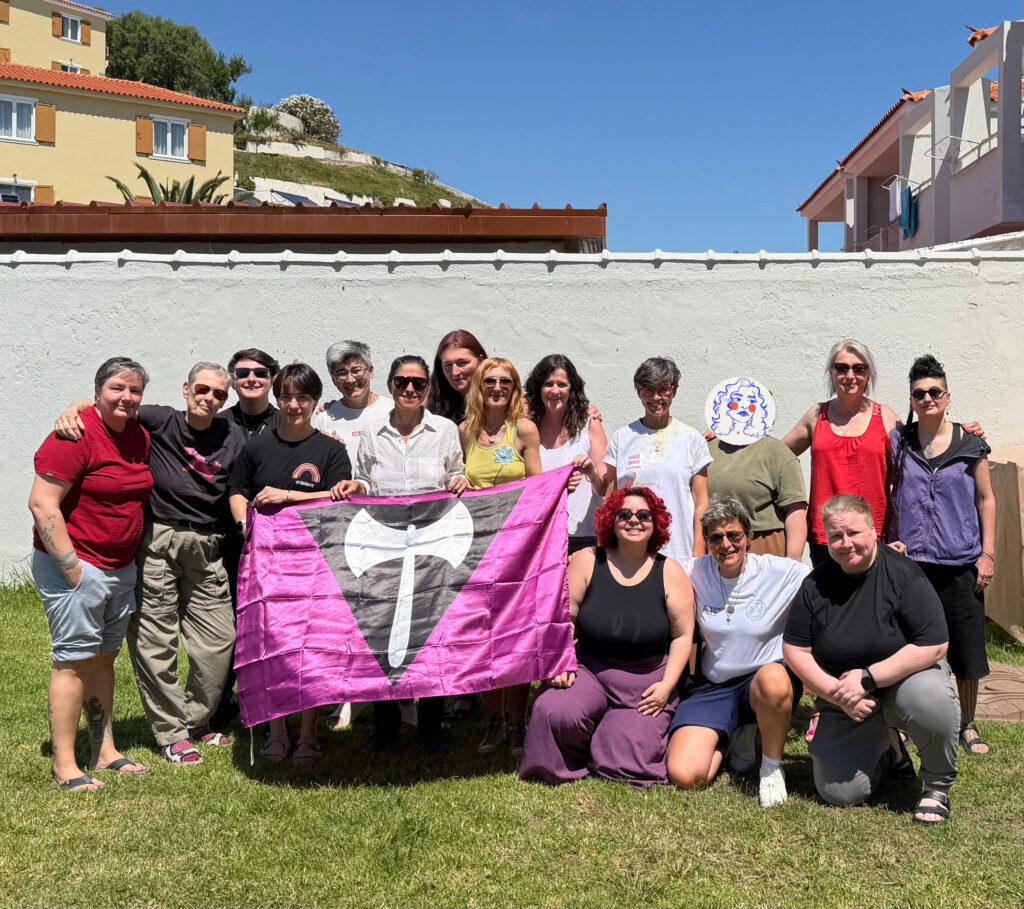
On May 31 and June 1, 2026, we held an in-person Board Meeting in Skala Eresou. During those days, we shared updates on the current situation in our respective countries. Here is a summary of what we discussed.
A second important development followed in April 2026, when the Ministry of Health and Social Welfare adopted Albania’s first medical protocol for transgender people after years of advocacy by LGBTI organizations. The protocol establishes a standardized pathway for transgender adults (18+) to access gender-affirming healthcare services in Albania, and represents a significant step toward ensuring safe and regulated healthcare access for trans people.
These developments triggered a strong reaction from Albania’s anti-gender movement. Conservative religious organizations, anti-LGBTI groups, and political actors launched public campaigns portraying the Gender Equality Law and the healthcare protocol as threats to children, family values, and Albanian society.
The anti-gender movement subsequently pursued several parallel legal and political initiatives. A constitutional challenge against the Gender Equality Law was filed before the Constitutional Court and is currently under review. At the same time, an initiative committee launched two referendum campaigns seeking to repeal the law and introduce restrictions related to gender recognition, marriage, adoption, sexuality education, and family regulation. Among other proposals, the referendum questions seek to legally recognize only two genders and restrict marriage to a man and a woman.
In May 2026, the Democratic Party of Albania also introduced a draft law entitled “For the Protection of Children and Youth from Gender Propaganda in the Republic of Albania.” The proposal would restrict discussions of gender identity in educational and public institutions and has been criticized by human rights organizations as a threat to freedom of expression, access to information, and the rights of LGBTI people.
These developments have created an increasingly polarized environment. While state institutions have taken steps to strengthen equality protections and improve access to healthcare in line with European standards, anti-gender actors have responded through public campaigns, constitutional litigation, referendum initiatives, and legislative proposals aimed at reversing or limiting these advances. The Constitutional Court is expected to play a decisive role in determining the future of many of these initiatives.
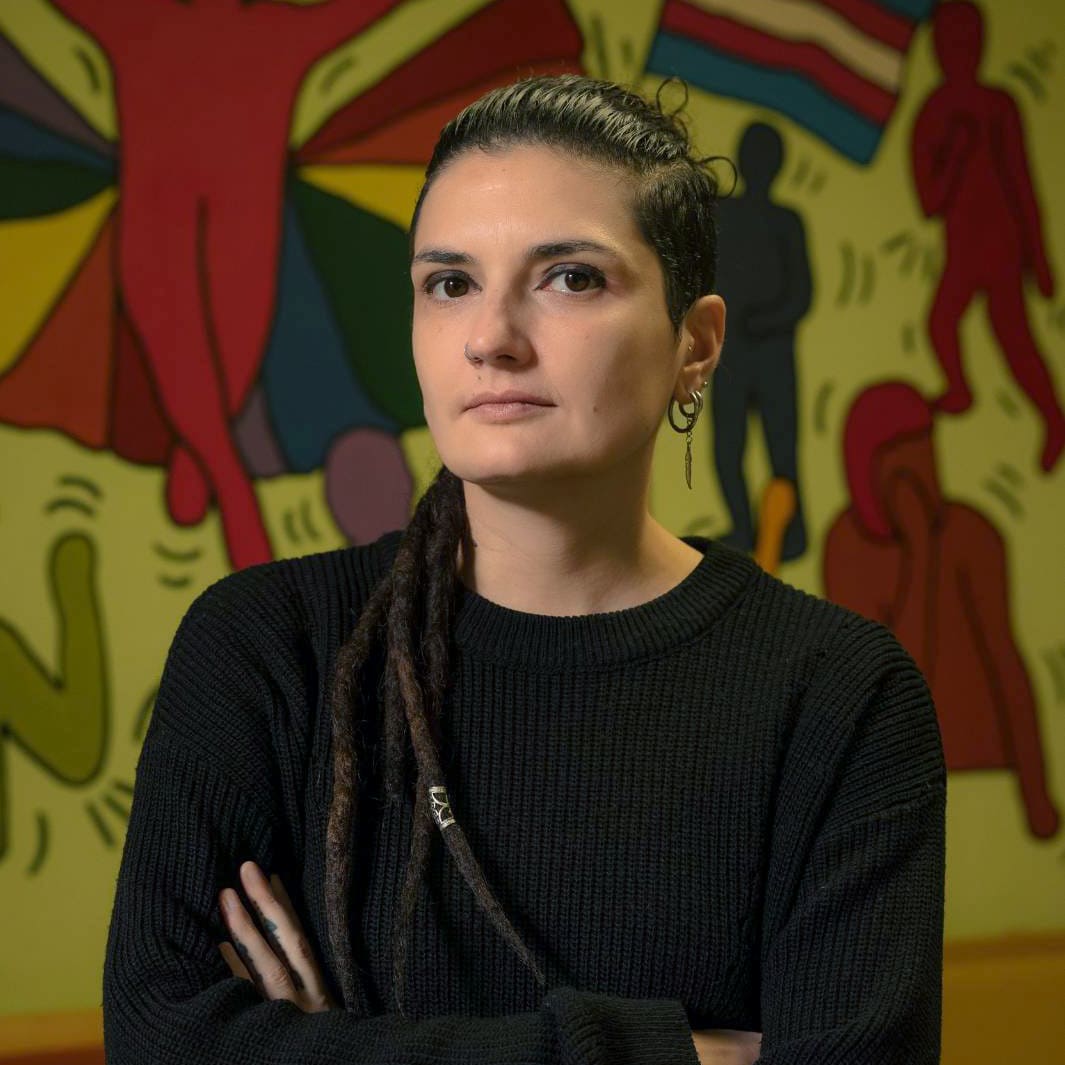

🇭🇷 In Croatia, there is a crisis affecting minorities (migrant workers, LGBTI people, and people of other nationalities, especially Serbians, etc.), with a higher risk of being attacked for being lesbian under a right-wing government. In response, the proposed strategy is to strengthen unity by turning these vulnerabilities into collective strength, based on care, solidarity, and empathy.
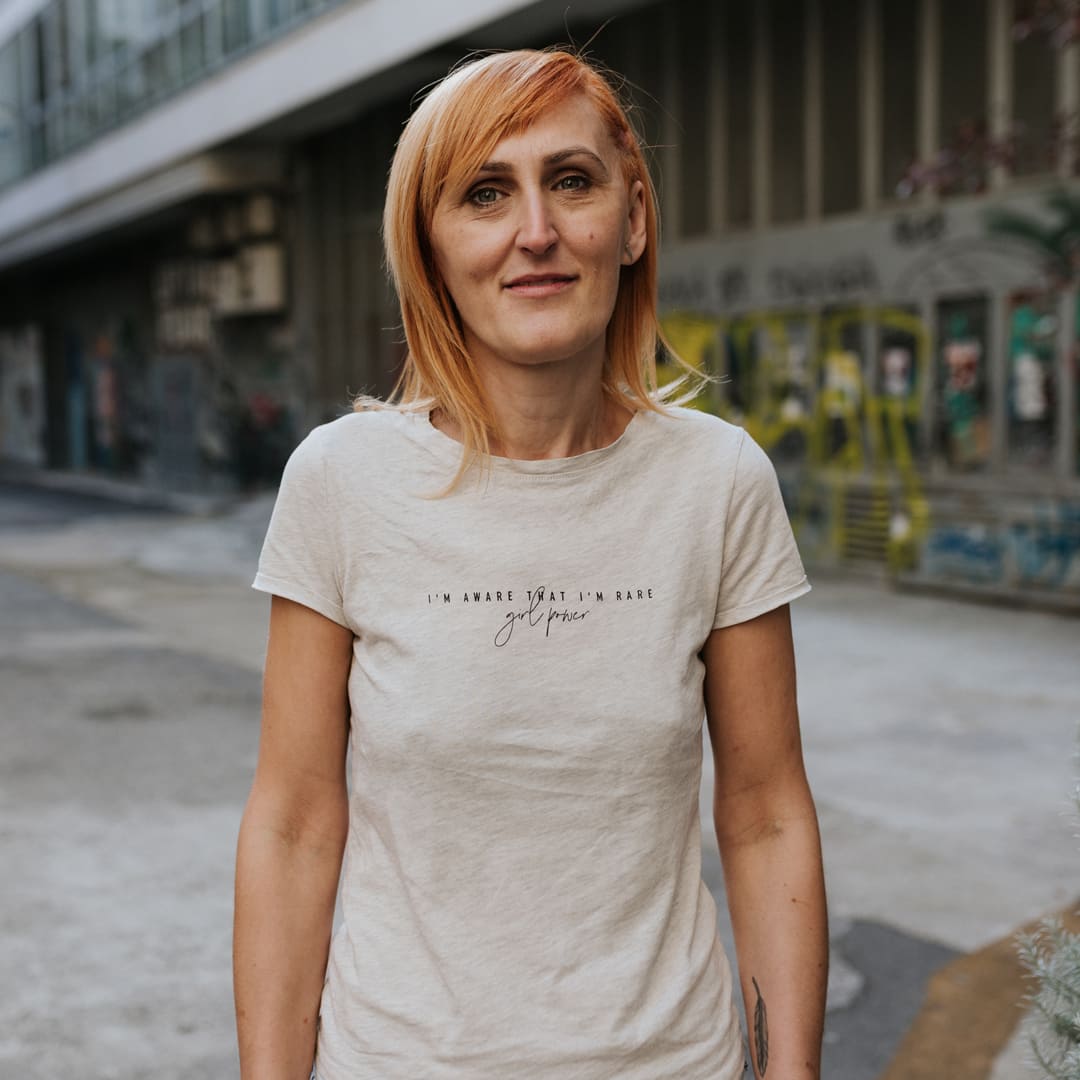
🇫🇷 In France the political elections of the new president and the new government are happening next spring, The political campaigns are showing that the far-right party has the majority on the of intention of votes (over 30%). This is very scary, and the progressive movements are desperately trying to create strong alliances to reverse the pools. If France is governed by far right, it will have a huge impact on all European countries.


A total of 127 anti-LGBTQIA+ incidents of hate crime, hate speech, and discrimination were recorded in Italy over the last 12 months. This paints an alarming picture, demonstrating that such violence is far from an isolated occurrence. On average, one incident was reported every three days. The recorded cases included 46 physical assaults, three suicides, and one transphobic homicide.
Homo-lesbo-bi-trans-intersex-a-phobia in Italy is a structural phenomenon that disproportionately affects transgender people, lesbians, and young LGBTQIA+ people.
However, we feel that this law is something hidden in a pocket –an instrument, or even a gun. If the government wants to punish visible activists, visible groups, or any outspoken individual, they can do so. They can use this gun. I mean this symbolically, of course. They can use this gun to punish, charge, restrict, or imprison people.
So we are living in a situation of uncertainty. I do not want to say that we are all depressed, but we feel unsettled. We do not know what this law will mean in practice or what consequences it may bring.
At the same time, we continue to live, to find joy, and to carry on with our activism. For example, at Feminita, we are currently doing more work on environmental issues, while still keeping LGBTQIA+ rights at the core of our mission. We are simply trying not to provoke the government unnecessarily, because they are easily triggered by direct discussions of LGBTQIA+ issues. So we are trying to be strategic and wise while continuing our activism.
And yet, feminist and queer activists in Kyrgyzstan continue their advocacy work –documenting abuses, supporting community members, and pushing back against the shrinking civic space.
The hostile environment for LGBTI people has also been reinforced by recent measures restricting transgender people's access to legal recognition and healthcare, further narrowing the space for gender and sexual diversity and raising concerns about democratic participation ahead of future elections.

🇳🇱 During the most recent parliamentary elections in the Netherlands, the largest far-right party lost by a small margin to a centrist party. As a result, the previous right-wing coalition, which included the far right, has been replaced by a centre-right government led by a gay prime minister.
The governing parties do not hold a parliamentary majority, which means they must negotiate support for most of their policies. Therefore, we cannot expect significant improvements in the short term, especially since the government is still trying to implement many proposals inherited from the previous administration. At the same time, many supporters of the far right are disappointed with the outcome and have begun protesting against asylum seekers and refugee centres. For example, some have organised “women’s marches” near these centres, portraying them as a threat to women and children. We have also seen the office of the prime minister’s party attacked for the second time, while violence against LGBTI+ people has continued to increase. On a more positive note, feminist activism has become increasingly visible over the past year, with the famous Dolle Mina movement of the 1970s being revived by a new generation. Lorem ipsum dolor sit amet, consectetur adipiscing elit. Ut elit tellus, luctus nec ullamcorper mattis, pulvinar dapibus leo.
In the Netherlands, it was the first time I could see gay men very clearly –rich white gay men who are totally radically right-wing– and that this is not becoming some sort of normality that we should expect from this world. We all feel that some big change is around the corner. We don't know what it is, or how it will unravel itself.
🇷🇸 While Serbia has made some progress in protecting LGBTIQ+ rights through anti-discrimination laws, many LGBTIQ+ people still face discrimination, hate speech, violence, and barriers to accessing their rights in everyday life. Same-sex partnerships remain legally unrecognized, and social acceptance varies significantly across the country. At the same time, civil society organizations working to advance human rights and equality are facing increasing pressure. A particular concern is the proposed “foreign agents” law, which could require organizations receiving international funding to register as agents of foreign influence. If adopted, this measure could stigmatize and restrict the work of LGBTIQ+ organizations and other human rights groups, making it more difficult for them to provide support, advocate for change, and contribute to a more inclusive and democratic society.
At the same time, we are witnessing an increasingly open defense of fascism, including Francoism, without euphemisms or apologies. This discourse is present in Parliament, across parts of society, and even in some right-wing media outlets. In practice, the right and the far right are acting as political allies. One example is Isabel Díaz Ayuso, President of the Madrid region and a member of the Popular Party, who awarded the International Medal of Madrid to the United States, describing it as “the main beacon of the free world”.
Attacks against LGBTI people are increasing significantly, and we have serious concerns about the next general election in 2027.
🇺🇦 In Ukraine, the war is still ongoing, with the situation remaining the same or sometimes even worse. The country is still in the process of moving toward EU membership. A proposed civil code has reappeared, introducing very restrictive measures, especially regarding women’s rights. Although the approval of this civil code has been stopped so far, this is only a temporary success. The situation remains uncertain.
There is a broader tendency of governments attempting to introduce new restrictions in an even more conservative direction. Old arguments are no longer effective, and it is necessary to rethink what ground to stand on and how to act.